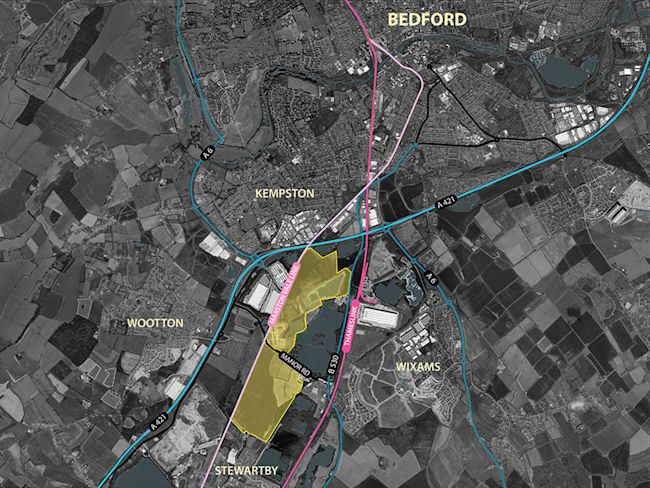
Universal’s proposed UK theme park site is in Bedfordshire, just south-west of Bedford, centred on the former Kempston Hardwick brickworks and surrounding land.
In practical map terms, the location sits between two major transport corridors:
- To the west: the A421
- To the east: the Midland Main Line railway
It also overlaps with land connected to the planned Wixams rail station, which is expected to play a major role in how visitors reach the resort.
If you are trying to picture the area without diving into planning drawings, think of the wider zone around Kempston, Stewartby, Wootton and Wixams, on Bedford’s southern side.
What is there now?
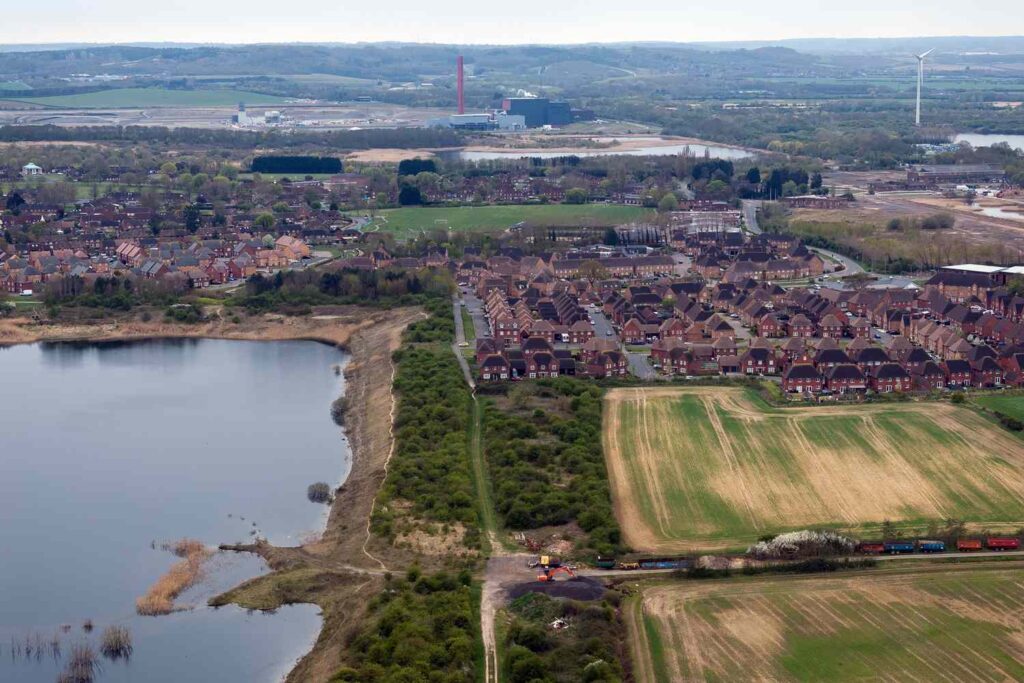
This is not a site that starts as untouched countryside in the way many people imagine when they hear “new theme park”. A significant part of the proposed footprint includes land associated with the former brickworks, alongside areas that have evolved since industrial activity ended.
That matters because it changes the planning and engineering conversation. Building on a site with an industrial past can shape everything from ground preparation and drainage to landscaping and environmental mitigation.
How big is the proposed site?
Theme parks that operate as full resorts need real scale. This site has been discussed in “hundreds of acres” terms, large enough to support far more than rides.
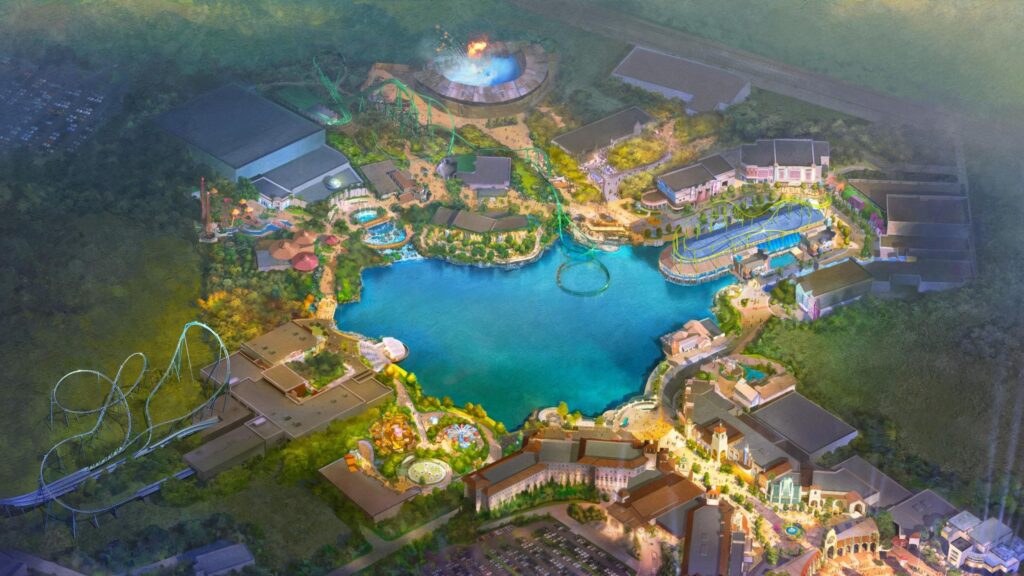
A Universal-style destination is typically planned as a cluster of experiences: attractions, hotels, retail and dining, back-of-house operations, transport hubs, and parking. The size of the Bedfordshire site is consistent with that kind of long-stay, high-capacity resort model rather than a small regional park.
Transport plans: why this location makes sense
One of the biggest reasons this area keeps coming up is connectivity. Universal’s plans have been framed around three broad transport priorities:
- Improved road infrastructure
- Enhanced rail connections
- Easy access from London and major airports
In other words, the concept is not “everyone drives and queues on local roads”. The intention is a multi-route travel model with road and rail doing the heavy lifting.
Improved road infrastructure
The road story centres on the A421, which already functions as the area’s key east to west link. The proposal includes changes designed to make the resort accessible without pushing all visitor traffic through smaller surrounding roads.
What that could mean for visitors:
- Clearer, more direct access to the resort from strategic roads
- More predictable arrival and exit patterns during peak periods
- Less reliance on local roads for the main visitor flow
What it could mean for residents:
- Construction disruption during major junction and access works
- A risk of knock-on congestion if upgrades are not designed for real peak demand
- Potential pressure points shifting to other junctions and nearby routes if traffic patterns change
In plain terms, the road upgrades are meant to make the resort workable at scale, but their success will be judged by what happens on an August Saturday when demand is at its highest.
Enhanced rail connections
Rail could become the most important piece of the whole access puzzle.
The proposed location sits near strong existing rail infrastructure, and plans have pointed towards:
- A new Wixams station
- Potential additional rail capacity and links that align with wider regional rail development
If the rail plan lands well, it changes the visitor experience completely. For a London-based family, “train to the resort and walk or shuttle in” feels very different from “drive, park, and sit in traffic on the way out”.
It also spreads the load. Theme parks struggle most when every visitor relies on the same mode of transport. Rail helps diversify arrivals, reduce parking pressure, and lower local congestion.
Easy access from London and airports
This is where Bedfordshire becomes a strategic choice.
From London
With the right station strategy and onward connections, the resort aims to be the kind of destination you can reach from London without needing a car. That opens up:
- Day trips
- Short breaks without driving
- Tourism add-ons for international visitors staying in London
From airports
Being in the South Midlands puts the site within practical reach of several major airports. The strongest advantage is typically the combination of:
- Proximity to one of London’s airports by road
- The ability to connect via rail for others, depending on which station becomes the main “gateway” for the resort
If the rail hubs are designed for visitor flows with luggage and families, it could be a meaningful differentiator compared with attractions that assume everyone is driving.
How can visitors travel to Universal Studios UK?
Because the final transport plan will be shaped by approvals and delivery timelines, the most realistic way to describe visitor travel is by likely scenarios.
By car
Driving will remain a major option, especially for families and groups. Expect travel messaging to focus on arriving via the A421 and using purpose-built resort access roads.
By train
Rail could become the preferred option for:
- London visitors
- Teenagers and young adults travelling in groups
- Tourists combining the park with other UK destinations
If new or expanded stations come online in the way plans suggest, the resort would have a credible rail-first offer, which is a big deal for the UK market.
By coach and shuttle
Large parks often rely on a coach and shuttle layer to manage peaks, handle groups, and connect hotels. Even if this is not the headline plan, it is a practical reality for handling high demand without overwhelming local roads.